Commercial solar PV
Rooftop solar installations for businesses, with site access, operating hours and electrical infrastructure considered from the outset.
Solar PV and battery storage for homes and businesses, with systems considered around your building, electricity use and future requirements.
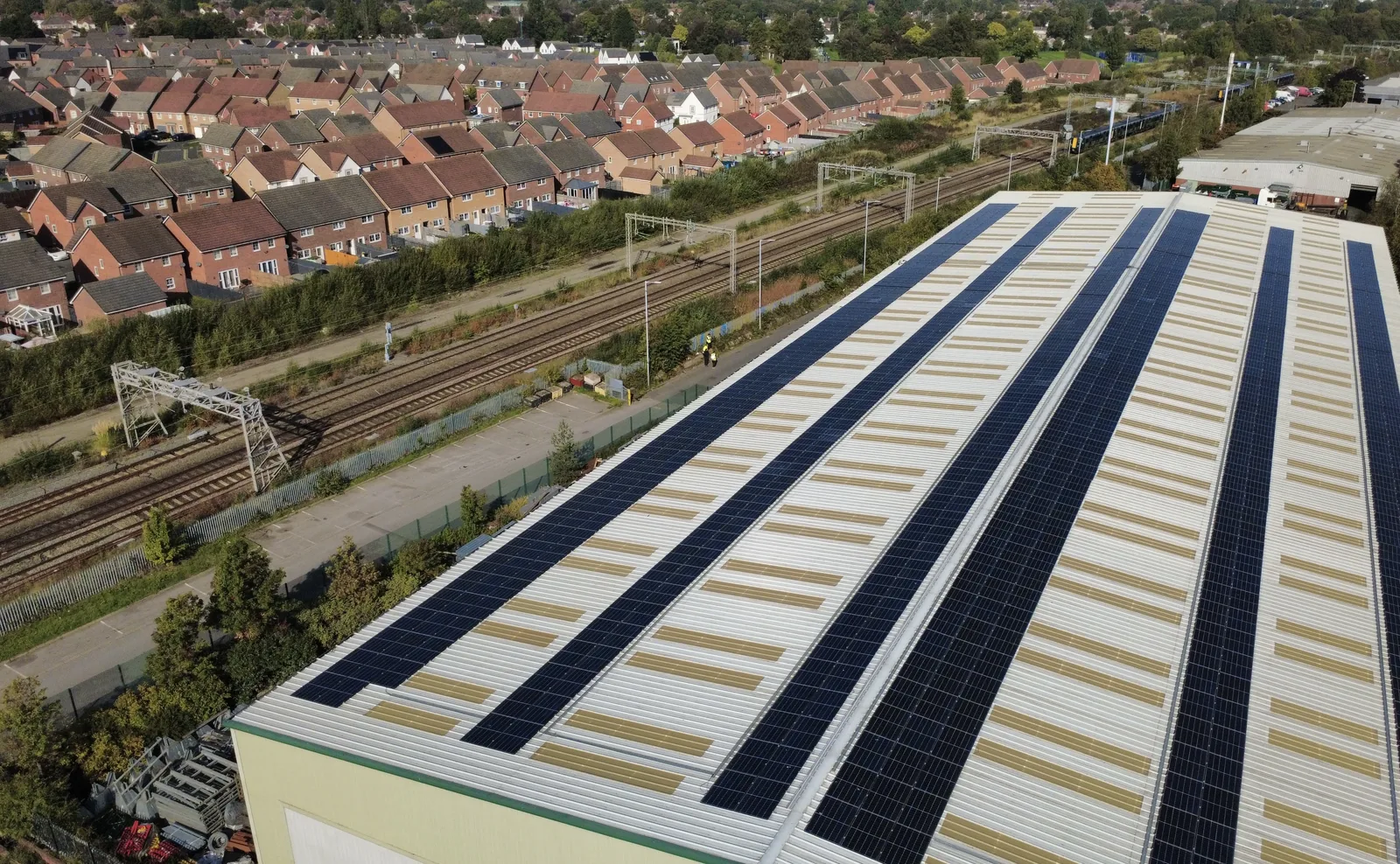
A useful renewable energy system starts with understanding when you use electricity and what your property can accommodate. We consider available space, existing electrical equipment, consumption patterns and your priorities before developing a proposal. Whether you are exploring a new installation, adding storage or improving an existing system, we explain the options and the assumptions behind them.
Rooftop solar installations for businesses, with site access, operating hours and electrical infrastructure considered from the outset.
Solar panels, hybrid inverters and battery storage planned around the property and household electricity use.
Options for storing electricity, expanding compatible systems and adapting existing equipment to changing requirements.
Investigation, inspection and commissioning support for existing PV systems, including string testing and remedial works.
A closer look at our work on site.
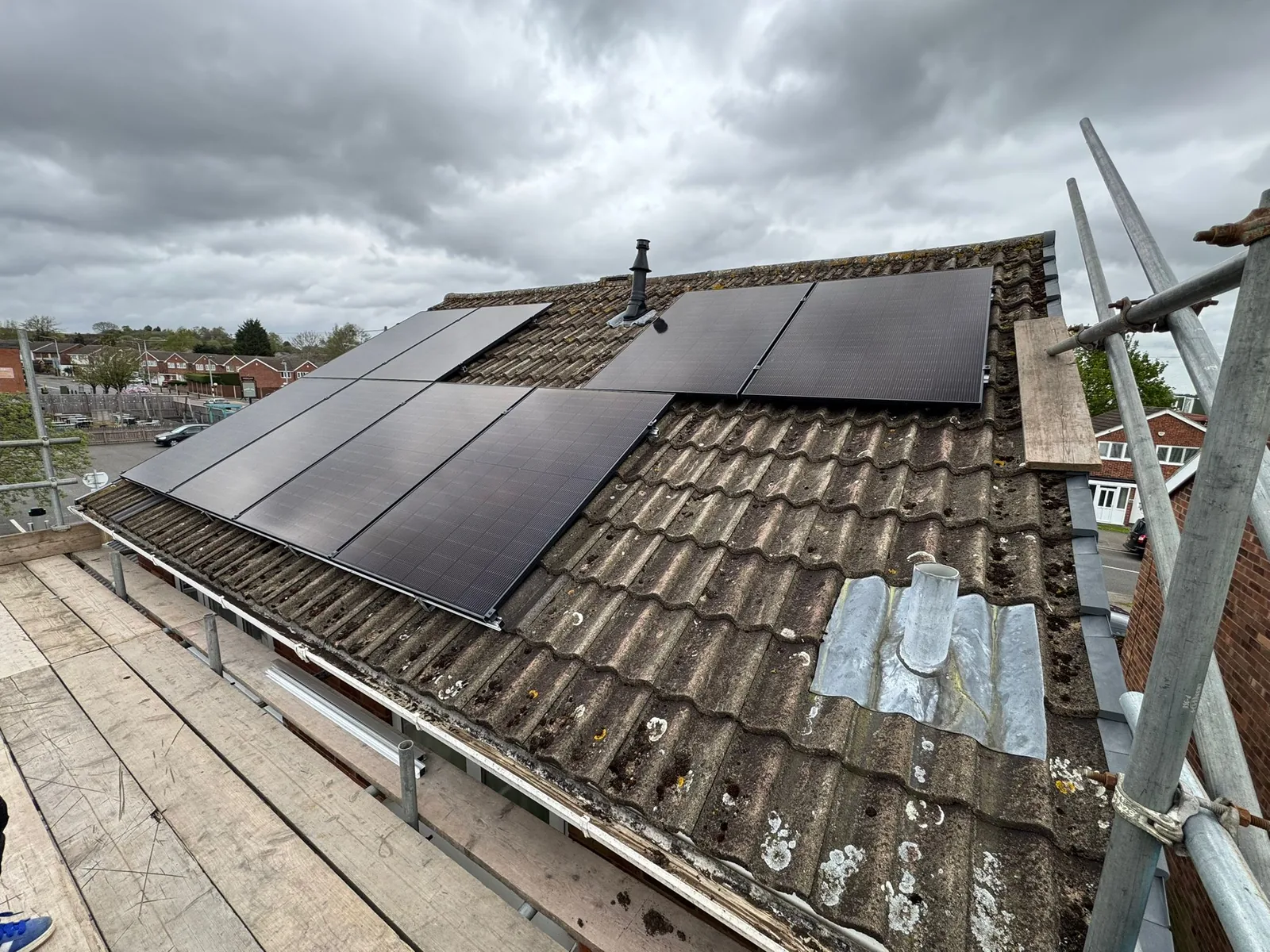
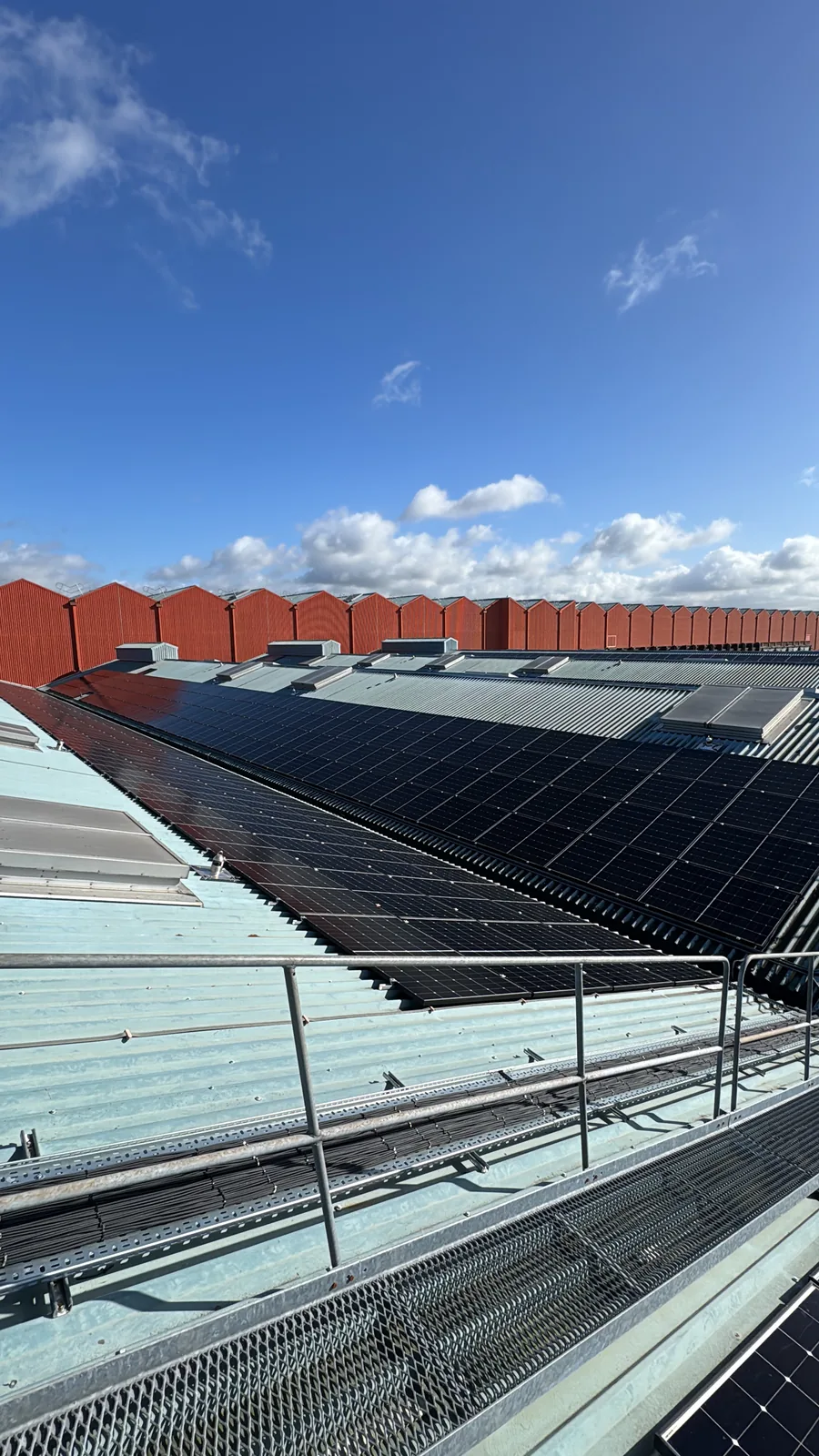
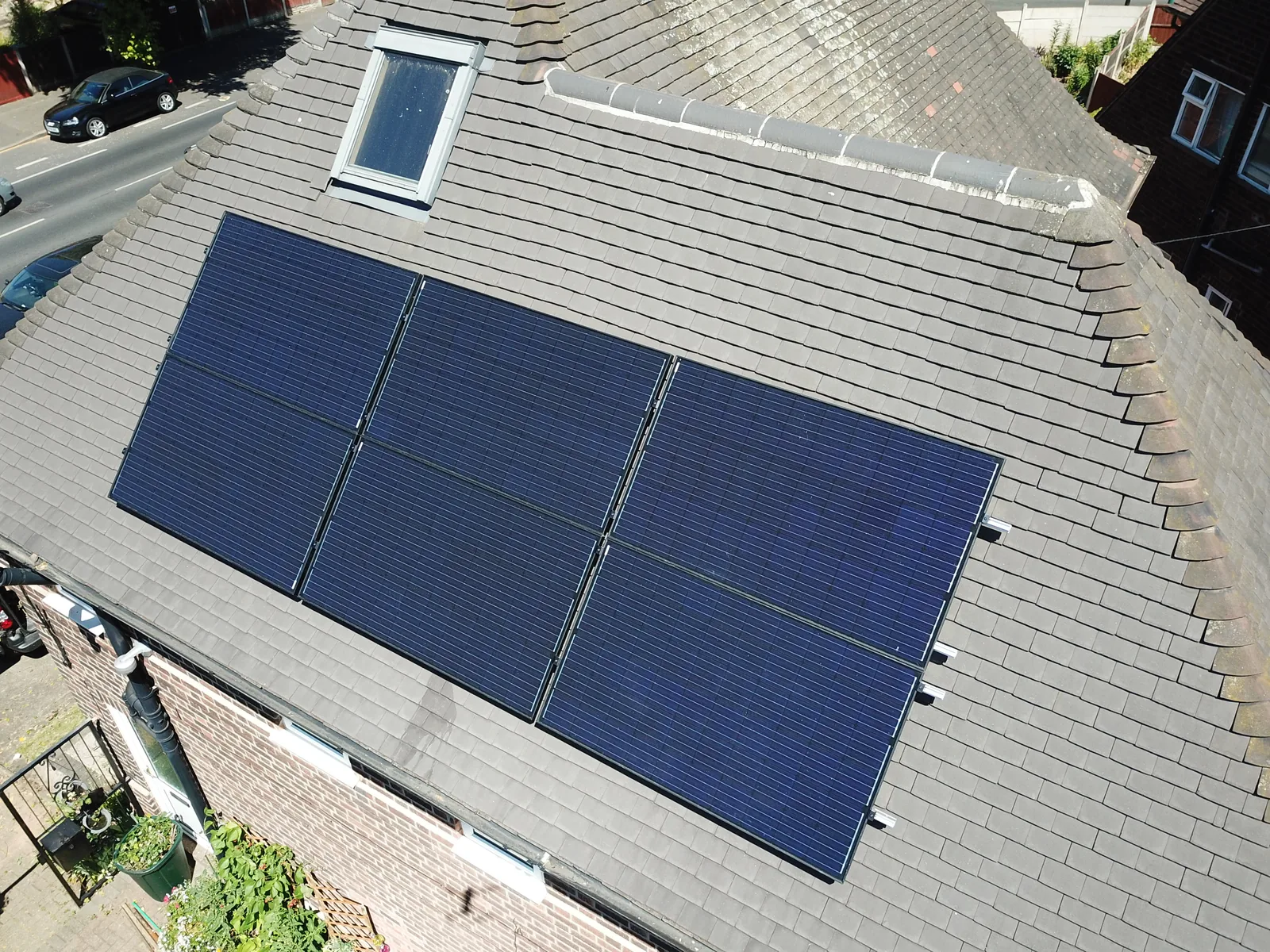
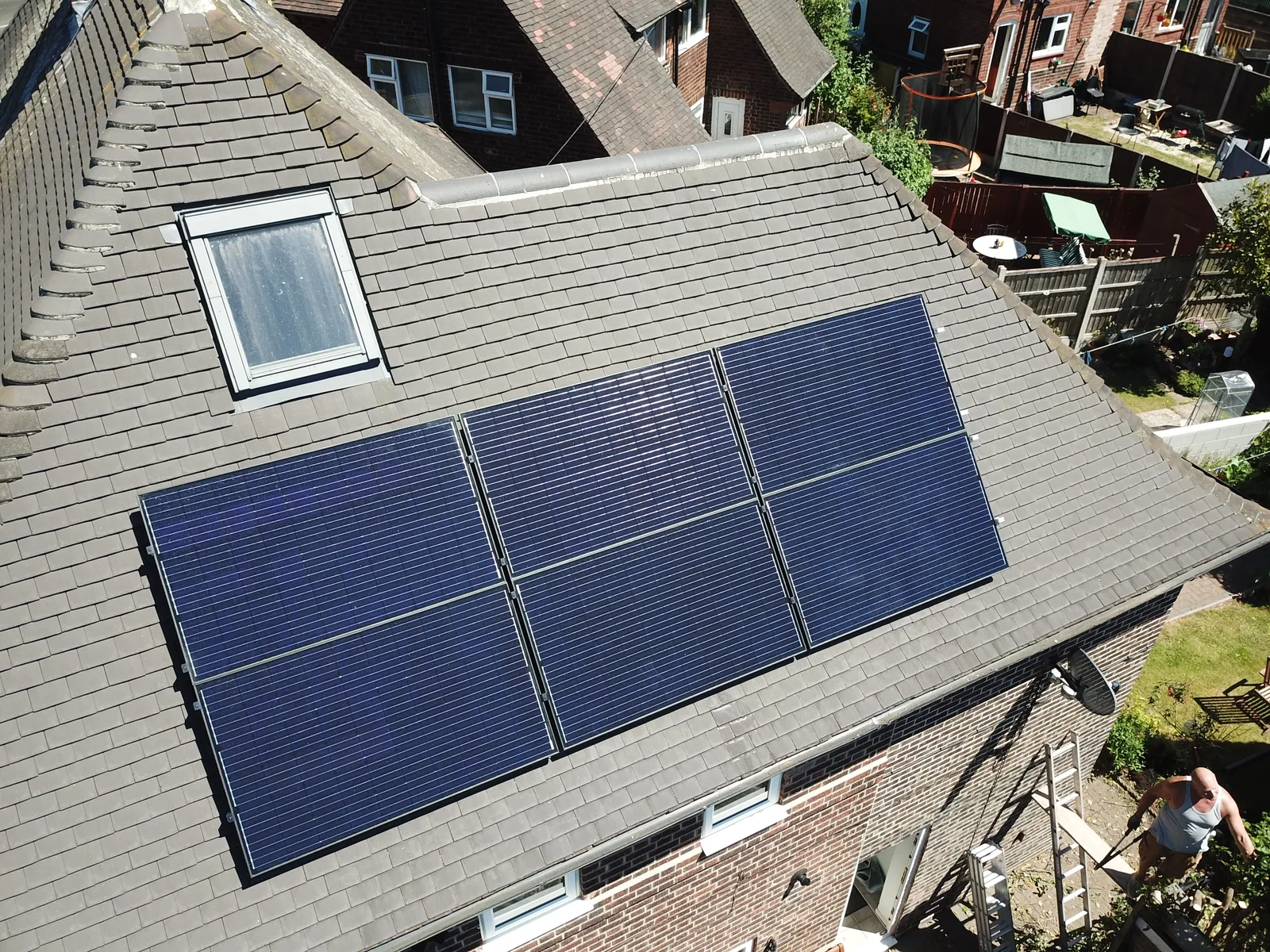
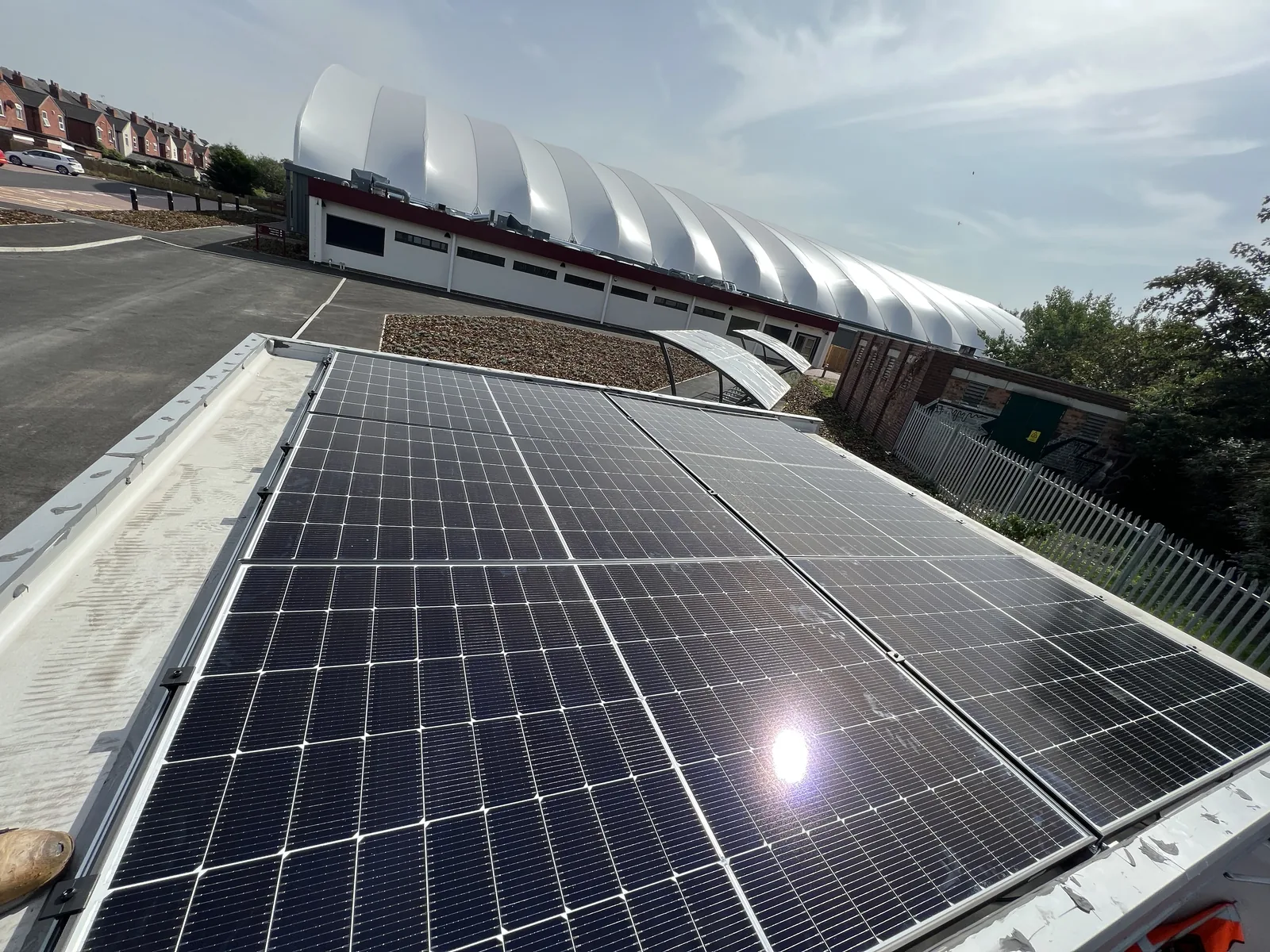
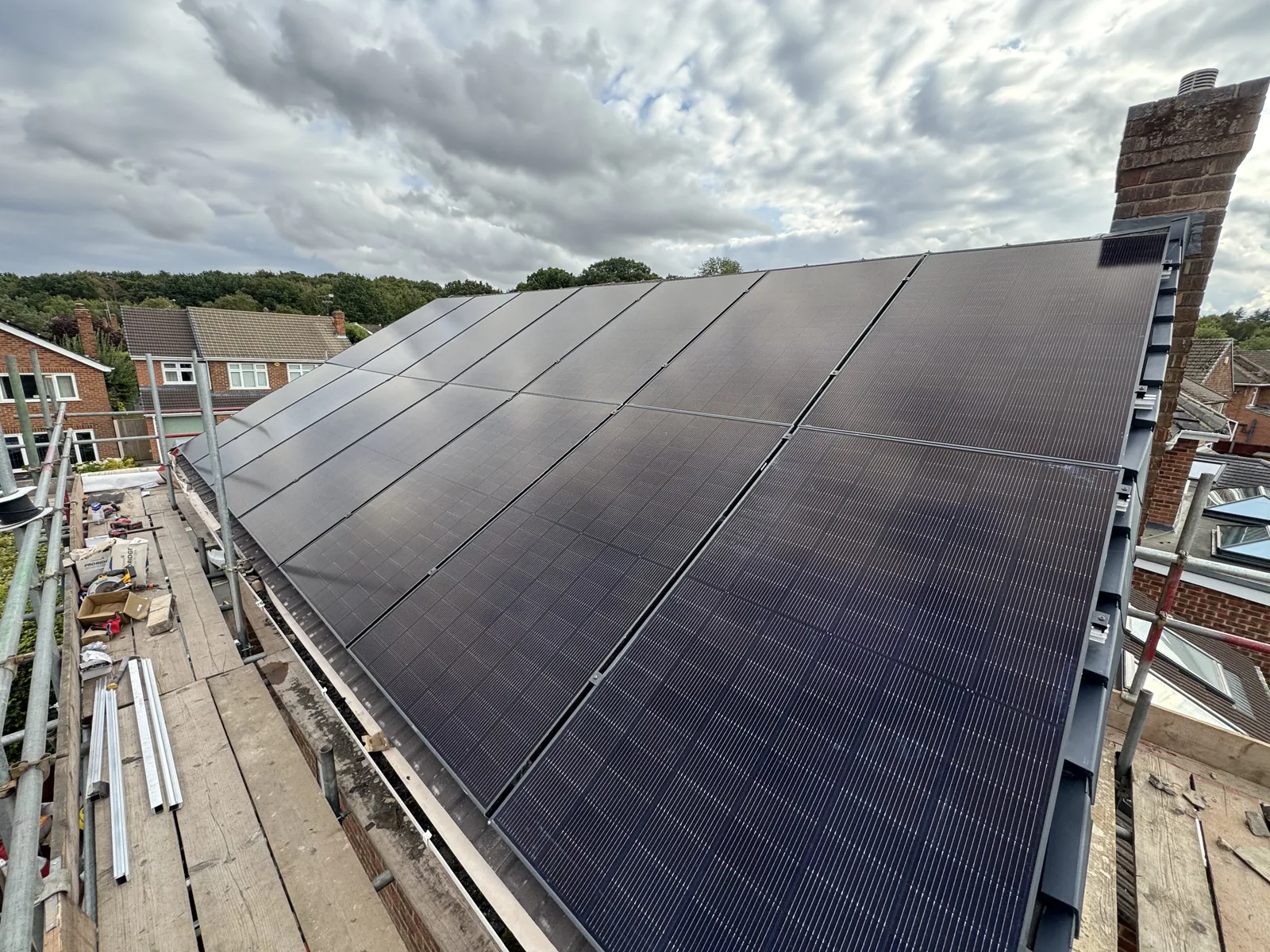
A solar proposal should reflect the roof and the electrical installation it will connect to. Roof layout, shading, available space and access all influence the options, alongside the location of distribution equipment and a suitable position for the inverter. Photographs and existing drawings are useful at the enquiry stage, with further site information gathered as the scope develops.
Aegis is based in Nottingham and discusses domestic and commercial solar projects across the East Midlands and wider UK by arrangement. We explain which parts of a proposal are based on initial information and where further surveys or checks are needed. Associated electrical infrastructure works can be considered within the project scope.
Battery storage needs to be considered alongside electricity use rather than selected on capacity alone. A home with evening demand has different priorities from a business operating mainly during daylight hours. Existing solar equipment, the proposed installation location and your plans for future electrical loads are all useful parts of the discussion.
We can review options for a new solar and battery installation or additions to a compatible existing system. If backup operation matters to you, raise it at the start so the appropriate equipment and arrangement can be explored. We also consider how storage may interact with EV charging requirements without assuming that every charger, inverter and control system will work together.
For commercial premises, solar is one part of a wider picture that includes operating hours, equipment demand and opportunities to reduce unnecessary consumption. Available electricity bills and usage data help make the initial conversation more specific. Our free initial commercial energy assessment offers a starting point for businesses considering several potential improvements.
Some sites may also benefit from discussing lighting and control upgrades alongside renewable generation. We keep the proposed installation and any estimated performance assumptions clear, so you can consider the options on the basis of your own property. Existing system information is equally useful when the requirement is fault finding, replacement equipment or a phased upgrade rather than a completely new installation.
We discuss your goals and review available bills, site information and the existing electrical installation.
We explain suitable equipment options, the proposed layout and any further surveys or approvals needed.
We coordinate installation and commissioning, then walk you through the agreed system and its monitoring features.
Often, but the options depend on your current inverter, battery compatibility, available space and electrical installation. We review those details before recommending an approach.
Backup operation depends on the equipment and how the system is designed. It must be specified as part of the project; a battery on its own does not mean the whole property has backup power.
Your postcode, recent electricity use, photographs of the roof and electrical equipment, and details of any existing solar or battery system are a useful starting point.
Yes. We discuss domestic and commercial installations, with the proposal developed around each property. Send the location, photographs, available electricity usage and any existing system details so we can identify the information needed for the next stage.
We can discuss inspection, testing and fault-finding support. The inverter details, installation records, fault messages and a description of the problem are helpful. The investigation and any remedial work are scoped around the equipment and access available.
Tell us about your home or business and what you want the system to achieve. We will help you assess the available options.